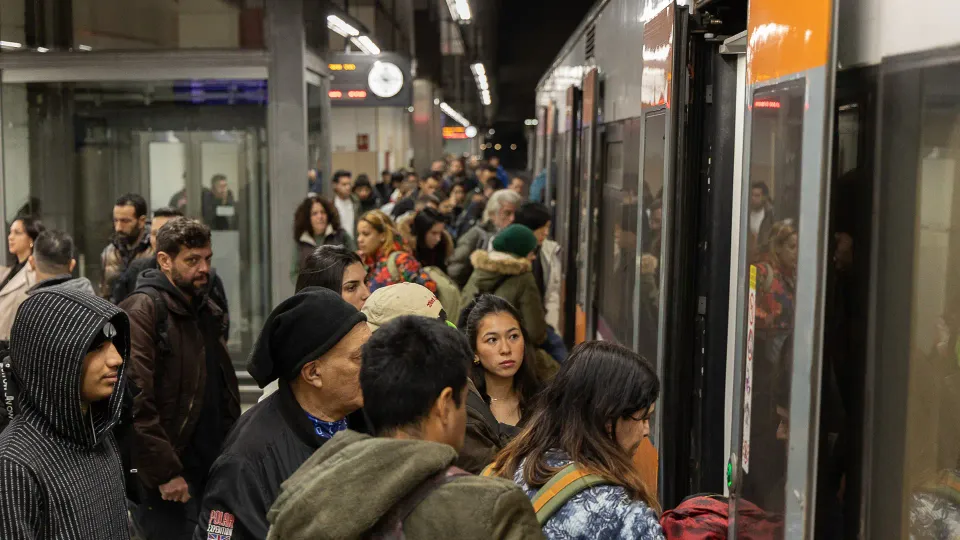
Catalonia's Rodalies train service has recovered 2.5 million users since the onset of its recent operational crisis, recording 9.2 million travellers in March. This figure represents a significant increase from February, yet remains one million below last year's passenger numbers.
Sílvia Paneque, the Minister for Territory, Housing and Ecological Transition, confirmed the recovery during a parliamentary session. She stated that while they are not "satisfied" with the current situation, they are making progress in the "continuous improvement" of Rodalies. The aim is to "recover the trust" of Catalan residents in the railway service.
Service Recovery Details
The March passenger count of 9.2 million marks a 2.5 million increase compared to February, a month plagued by incidents and line closures. Despite this favourable rebound, Rodalies remains the only public transport mode in Catalonia that consistently experiences annual passenger losses. The service's recovery follows extensive inspections across 690 points of the rail infrastructure.
Infrastructure Challenges and Costs
The network currently faces over one hundred temporary speed limitations, implemented as a direct result of these thorough inspections. Emergency repair works have already cost €180 million, a sum borne by Adif, the state-owned railway infrastructure manager. These efforts have mobilised approximately 50 technicians to address critical issues. Additionally, workers have stabilised 33 sections of trenches and slopes, and cut around 4,000 trees to enhance safety and prevent further incidents.
Storm Damage and Free Travel
The crisis began three months ago, following a fatal accident in Gelida, Barcelona, which claimed the life of a trainee train driver, and a subsequent network collapse. Óscar Puente, the Minister of Transport and Sustainable Mobility, indicated that the temporary speed limitations linked to storm damage from early this year are expected to be lifted in June. These storms caused severe damage to the network, exacerbated by a lack of maintenance. Meanwhile, the free Rodalies service, a measure agreed by the Spanish Government and the Generalitat to mitigate disruption, will conclude on 30 April.
Tougher Graffiti Fines Approved
In a related development, the Catalan Parliament has approved initiating the legislative process to impose stricter fines for graffiti on trains across Catalonia. Proposed by the Socialist Party of Catalonia (PSC) parliamentary group, the new regulations aim to end the "impunity" of this practice, which incurs substantial costs for Renfe, the national railway company. Fines for such acts could potentially reach up to €1 million.
Junts, Esquerra Republicana de Catalunya (ERC), Partido Popular (PP), Vox, and Aliança Catalana supported the proposal's progression. However, these parties cautioned that fines alone would not resolve the issue without accompanying measures. They called for increased security, better control, and improved management of the rail network.
Future of Catalan Rail
Lluís Mijoler, a Member of Parliament for the Comuns group, questioned Minister Paneque on the timeline for convening parliamentary groups to discuss the national railway pact. This pact was previously announced by Albert Dalmau, the acting President of the Generalitat. Paneque responded that officials are currently "defining the composition of the technical table" that will support the meeting. This table will facilitate discussions to work towards a comprehensive "country agreement" for the future of Catalonia's rail system, aiming to further restore public confidence and service reliability.
Come and join our Barcelona English Speakers community on WhatsApp.
Originally published by 20 Minutos Barcelona. Read original article.