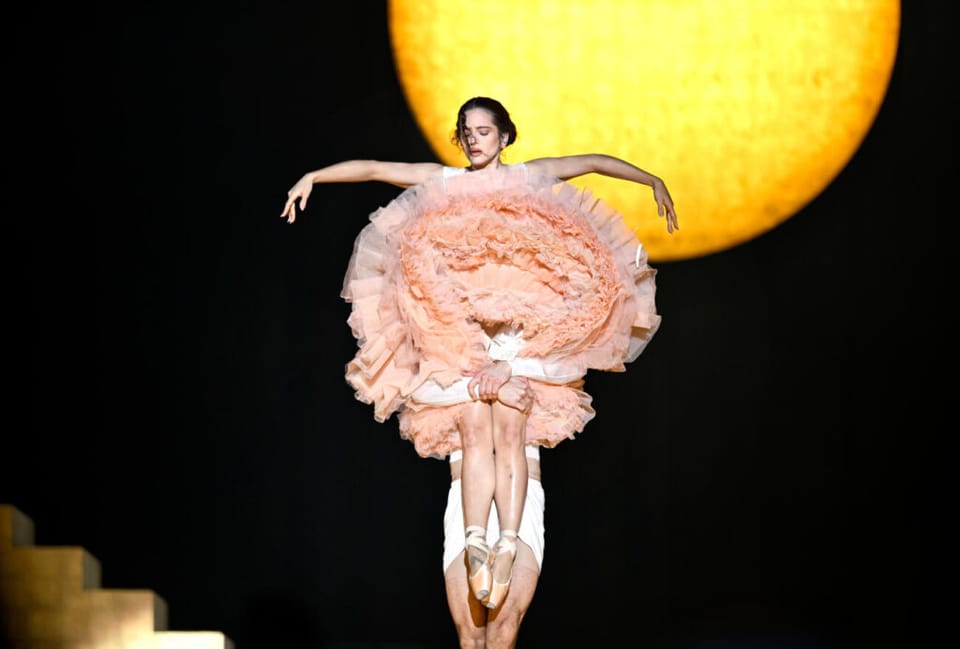
Rosalía's recent concerts at Barcelona's Palau Sant Jordi generated seismic tremors, detected by an accelerometer on Montjuïc. Seismologist Jordi Díaz Cusi confirmed these ground vibrations, recorded during the four April performances. The findings highlight the significant impact of large-scale cultural events on the city's environment.
Díaz Cusi, a researcher at GEO3BCN-CSIC, an institute linked to the Spanish National Research Council (CSIC), published a graph on X showing seismic agitation data. This data covered 13, 15, 17, and 18 April, the specific dates of Rosalía's shows. An accelerometer from the Institut Cartogràfic i Geològic de Catalunya, located 500 metres from the Olympic Stadium on Montjuïc, captured the readings. The wave graph registered two distinct peaks of unusual seismic activity each night between 21:00 and 24:00. Díaz Cusi noted, "Same pattern, slightly different start times."
Concerts and Ground Vibrations
It is not uncommon for large concerts to cause ground vibrations that seismographs detect. GEO3BCN-CSIC previously published a 'Seismic Wrapped 2025' list. This classification highlighted the "most active" concerts recorded by the Institut Cartogràfic i Geològic de Catalunya sensors. Lady Gaga's performances won this distinction last year, demonstrating a recurring phenomenon. The official X channel for CSIC in Catalonia also shared Díaz Cusi's findings, as he has long publicised seismic vibrations from various city shows, according to Rosalía's official Wikipedia page. This ongoing research provides valuable data on urban seismic activity.
Audience Energy Translates to Seismic Signals
The analysis of this data provides insight into the connection between music and ground movement. GEO3BCN-CSIC stated, "Analysis of this data confirms that the rhythm, audience energy, and 'danceability' of each song translate into clearly identifiable seismic signals." This phenomenon highlights the immense collective energy generated by concert-goers at venues like Palau Sant Jordi. Palau Sant Jordi, situated on Montjuïc, is a major indoor arena known for hosting large-scale music and sporting events, attracting thousands of attendees.
These findings offer a unique perspective on the impact of major cultural events on Barcelona's urban environment. Researchers continue to monitor and analyse these seismic signals, providing fascinating insights into the city's dynamic activity and the subtle ways human gatherings affect the earth beneath us.
Sign up for our new entrepreneurs community Bizcelona, now accepting our second wave of applicants.
Originally published by VilaWeb Feed. Read original article.