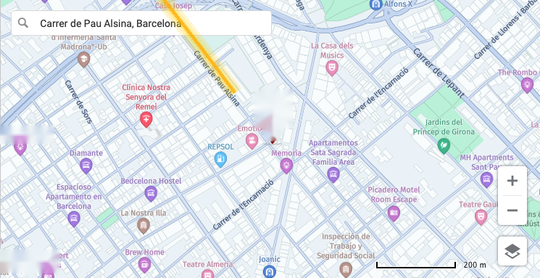
Carrer de la Carassa, a narrow street in Barcelona’s historic Born district, holds a hidden history. It served as a discreet marker for clandestine brothels during the 17th century. These establishments operated in a city striving for strict Catholic morality.
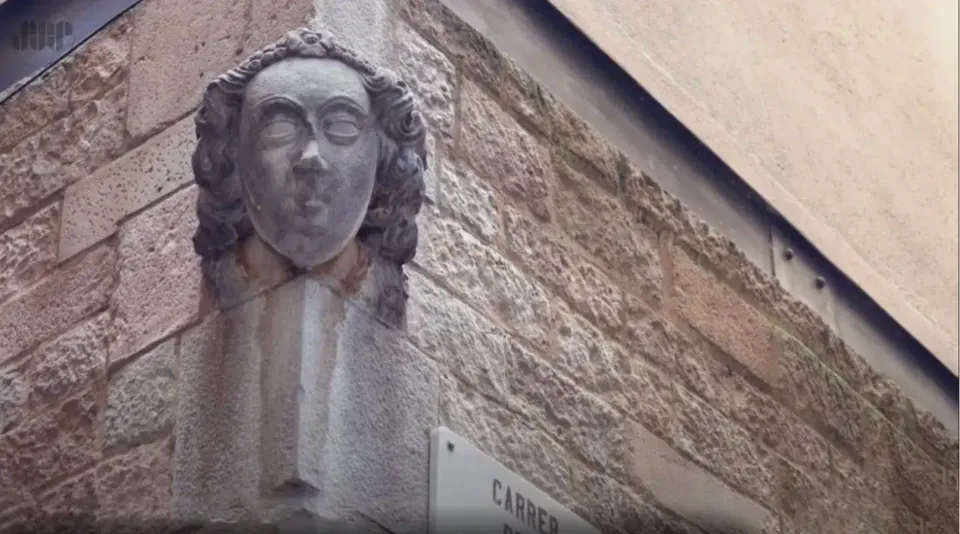
The street’s name, meaning “Street of the Grotesque Face,” comes from carved faces, or carasses, embedded in building lintels. One such carassa was reportedly located on a corner house with Carrer dels Mirallers. These sculpted faces were not merely decorative.
They functioned as a secret language in a largely illiterate city. In 17th-century Barcelona, a dense port city with a significant military presence, most residents could not read. Visual cues were essential for communication. The carasses, often featuring exaggerated expressions of pleasure or mockery, became an urban code. A carassa indicated the presence of a brothel, according to historians cited by Tot Barcelona.
Visual Codes for Clandestine Trade
This system offered a subtle yet effective form of advertising for illicit businesses. Other Mediterranean ports sometimes used more explicit symbols. Barcelona, however, opted for these theatrical stone faces. They suggested their purpose without overt declaration. The city aimed for moral strictness, but found a way to coexist with paid sex. This practice was something it could not, or would not, eliminate.
Some carasses were positioned on street corners. Others appeared alongside facades painted red, further reinforcing the message for those who understood the code. These visual markers were a form of advertising before widespread literacy. They created a “map of desire” within the largely unlettered city. Carrer de la Carassa specifically embodies this symbolic system. Its name recalls not just one carving, but a whole network of hidden meanings.
Barcelona’s Shifting Social Landscape
Walking through the street today means tracing an almost invisible history. It points to clandestine businesses and an underground economy. This economy formed an essential part of Barcelona’s urban life. However, carasses were not exclusive to this particular street. Many can still be found across Ciutat Vella, especially within the Born and Gothic quarters. Some original carvings have disappeared over time. Others are reproductions, reflecting local efforts to preserve this uncomfortable historical trace.
The meaning of the carassa evolved over centuries. The term eventually also designated festive figures. These included grotesque heads that spat sweets in churches at Christmas. This offered a playful, popular counterpoint to their darker, earlier association. Historians agree that brothels were significant and structural to urban life in modern Barcelona, from the 16th to 17th centuries.
From Official Brothels to Hidden Signs
During the Middle Ages, Barcelona maintained an “official brothel” or “public brothel.” The Council of One Hundred, the city’s governing body, regulated this establishment. It was located outside the city walls, in the area now known as the Raval district. This regulated model began to decline from the 16th century onwards. Prostitution then became more dispersed and clandestine within the walled city.
The 17th century saw the emergence of these covert brothels. Many of them featured the distinctive carasses. This historical detail offers a unique insight into Barcelona’s social fabric. It highlights the complex interplay between public morality and private enterprise. The enduring presence of these subtle symbols reminds residents and visitors alike that the city’s history is built on more than just grand palaces and public squares. It also includes secret codes and hidden marks. These reveal a deeper understanding of urban life and its unspoken rules.
Come and join our Barcelona English Speakers community on WhatsApp.
Originally published by Tot Barcelona. Read original article.