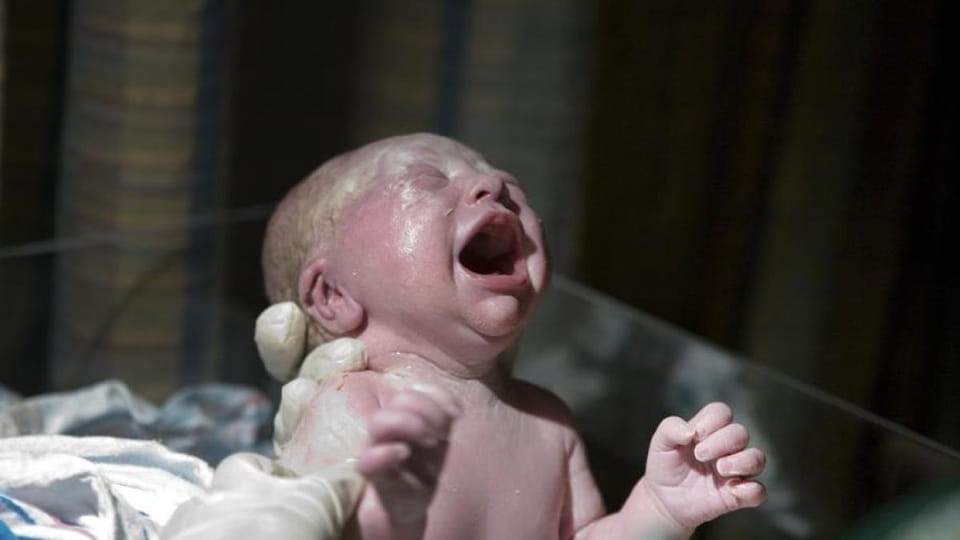
Barcelona's public health system has restricted its early discharge service for new mothers, now only providing home care visits for births occurring Monday to Friday. This significant policy change, effective from January 2026, directly impacts women giving birth in Barcelona and its metropolitan area on weekends. It also affects those choosing birth houses for a less medicalised experience.
The Official College of Nurses and Midwives of Barcelona (COIB) has strongly criticised this decision. The Department of Health confirmed the measure, stating its aim is "territorial equity and efficiency." The early discharge service, first introduced in 2020 during the COVID-19 pandemic, allowed mothers of uncomplicated vaginal births to return home 24 to 48 hours after delivery. A dedicated midwife would then visit both mother and baby daily at home until official discharge from care.
Weekend Births Face New Restrictions
The new restriction means women who give birth on a Saturday or Sunday will no longer receive the same immediate home care support. This change particularly affects birth houses, which allow mothers to return home within hours of delivery for continued medical monitoring. "The decision may lead women who chose this less interventionist model to discard it because care would not be guaranteed," sources from the COIB stated. This model offers a more natural birthing environment, often preferred by those seeking to avoid hospital interventions.
The Department of Health explained that the service was not uniformly available across Catalonia. It was only offered in some Primary Care Centres (ASSIRs) within the Northern Metropolitan Region, which includes Barcelonès Nord, Maresme, Vallès Occidental, and Vallès Oriental. It was also available in specific parts of the Barcelona region. Officials based the decision to cancel weekend services on an "analysis of the organisational and care reality" of the ASSIRs that provided it.
Concerns Over Care Quality and Access
The COIB warns that home puerperium care is a standard part of the public health service portfolio. They argue the change denies essential service to women who "escape a medicalised model." The COIB also expresses concern that this cut to pregnancy care services is not an isolated incident. The organisation anticipates another significant change in 2026, further impacting local maternity provisions.
Sources from the COIB report that officials expect to close the delivery room at Hospital Esperit Sant in Santa Coloma de Gramenet in the coming months. Santa Coloma de Gramenet is a city in the Barcelona metropolitan area with a population of over 118,000 residents. Hospital staff have already received notification of this impending closure. This measure worries the COIB because it would disproportionately affect vulnerable populations in the area. These residents would then need to travel to Hospital Can Ruti, a more distant facility in Badalona, for maternity care.
Reorganisation in Barcelonès Nord
The college of nurses believes this change could lead to more "interventionism" and earlier hospital admissions for mothers. The Department of Health acknowledged plans for a "reorganisation" of pregnancy, birth, and puerperium care in the Barcelonès Nord area. However, they insist these changes will guarantee "excellence and safety established by scientific evidence." This region covers several municipalities north of Barcelona city.
The affected health region is "defining circuits and processes jointly with territory providers," the Department of Health added. The COIB recalled that a similar measure was nearly implemented at Berga hospital a year ago. In that instance, workers and citizens successfully stopped the decision. The COIB laments that these current measures impact women's rights and endanger care quality. They also note that the changes do not include an increase in midwife staffing to manage new users. This lack of additional personnel could strain existing services.
This reorganisation of maternity services across Barcelona and its metropolitan area highlights ongoing challenges in public healthcare provision. Residents, particularly new and expectant mothers, face adjustments to established care pathways. The coming months will show the full impact of these changes on families in the region, affecting access to preferred birthing options and postpartum support.
Come and join our Barcelona English Speakers community on WhatsApp.
Originally published by La Vanguardia Catalonia. Read original article.