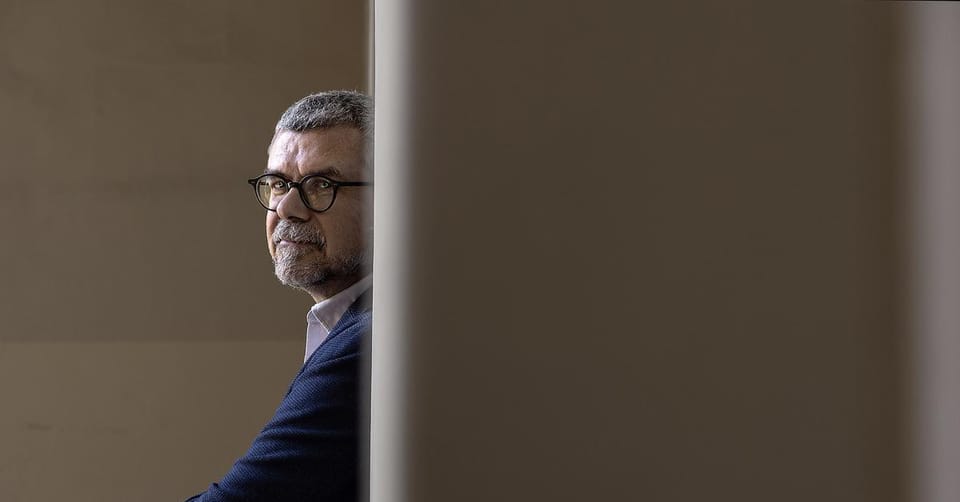
Journalist, historian, and writer Jaume Clotet, born in Barcelona in 1974, recently stated that renting a flat in the city centre with a basic salary, as he managed at age 26, is now "unthinkable" for new generations. His comments highlight the significant changes in Barcelona's housing market over the past two decades.
Clotet secured a small flat in the city centre with his entry-level editor's salary at a Barcelona newspaper. This personal experience contrasts sharply with the current challenges faced by young professionals and expats in the Catalan capital. "Leaving home with just one salary is now unthinkable," Clotet explained, underscoring the severe affordability crisis.
Barcelona's Housing Challenge
Barcelona's housing market has seen dramatic shifts since the late 1990s and early 2000s, when Clotet first rented. Rental prices have surged, making it increasingly difficult for individuals, especially those on entry-level salaries, to afford accommodation in central districts. This situation affects thousands of young residents and international newcomers seeking to live and work in the city.
According to recent data, average rental prices in Barcelona have reached record highs, far outstripping wage growth. This trend forces many to live further from the city centre or share flats, impacting their quality of life and financial stability. The lack of affordable housing remains a critical concern for the Ajuntament de Barcelona and its residents.
Early Financial Lessons and Career
Clotet grew up in a family of bankers, but the world of finance never truly appealed to him. He did, however, inherit strong values of saving and prudence from his parents. His early experiences with money included receiving rewards for good school grades, earning 50 pesetas for an 'excellent' and 25 for a 'notable' when the peseta was Spain's currency.
Before his first formal job, Clotet found an unconventional way to earn money by participating in clinical trials. He described himself as a "guinea pig for the pharmaceutical industry." In just one or two weeks, he could earn enough to cover significant expenses, such as a summer holiday or an Interrail trip across Europe.
His professional career started with an internship at Transports Metropolitans de Barcelona (TMB), which extended into a part-time night shift role with a good salary. His first stable contract came as an editor at the newspaper Abc. Clotet's career has been varied, including roles as sub-director of the Catalan News Agency (ACN) and a section head at a newspaper.
Public Service and Writing
Clotet also served in the Catalan government, an experience he says was financially beneficial. "People say you lose money in government. That's a lie. Government people earn more than in private life. I earned more money there than in my years in journalism," he stated. His time in government led to his implication in 2017 regarding the Catalan referendum, which he admits "harmed" some professional contracts. However, he knew the risks involved and does not regret his actions.
Currently, Clotet works as a freelance professional, collaborating with various media outlets and writing books. He views writing as more of a vocation than an economic pursuit. "In Catalonia, only one in three books sold is in Catalan," he noted, adding, "You can't live from writing books here. Nor is that my intention."
Clotet's diverse literary works include an essay with Quim Torra on Francoist censorship, children's books, an essay on military policy for an independent state, and various novels. He received the Premi Josep Pla de narrativa in 2024 for 'La Germandat de l'Àngel Caigut' and has a new work, 'L'espasa del rei', due in 2026. His observations on Barcelona's housing market continue to resonate with many facing similar challenges today.
Sign up for our new entrepreneurs community Bizcelona, now accepting our second wave of applicants.
Originally published by Ara Cat. Read original article.