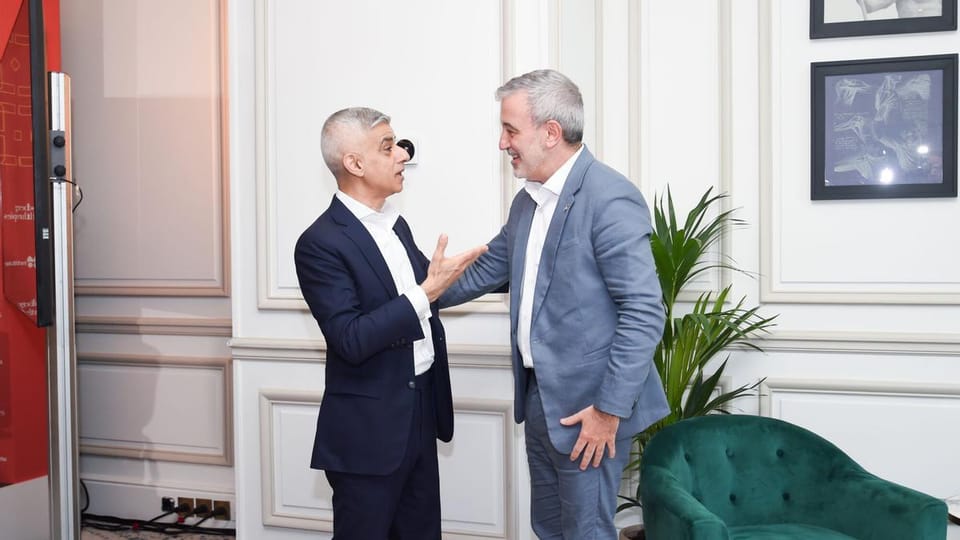
Barcelona Mayor Jaume Collboni and London Mayor Sadiq Khan are collaborating on strategies to reclaim iconic urban centres, including Barcelona's La Rambla, for local citizens. This joint effort seeks to address the erosion of local character and the dominance of tourist-focused businesses in these historic areas.
Mayors Address Urban Character Erosion
The mayors aim to reverse a trend where everyday shops are replaced by stores catering exclusively to transient visitors. This shift often makes it difficult for long-standing local projects to survive due to high commercial rents. The mayors are sharing experiences and working towards this shared objective. They recognise the need for these urban symbols to have a second chance. This shared ambition highlights a growing concern among European city leaders regarding urban identity.
Challenges Mirror Across European Cities
For years, urban decay processes in such areas were often seen as a "Mediterranean speciality". However, Oxford Street's situation shows that even major European commercial icons can become trapped in a cycle of rapid, repetitive consumption. The challenge in La Rambla mirrors issues faced by London's Oxford Street. Both streets have seen a concentration of large chains and a constant rotation of brands. The goal is to break this logic of a global shop window, which makes these streets indistinguishable from any other major city.
Reclaiming these public spaces requires more than good intentions. It demands clear decisions on the desired types of activity, commerce, and uses for these central thoroughfares. City officials must also accept the costs associated with these choices. This often involves difficult consensus-building among various stakeholders. Without this deep commitment, any transformation risks remaining superficial.
Reconnecting Residents with La Rambla
La Rambla, a 1.2-kilometre tree-lined promenade, stretches from Plaça de Catalunya to Port Vell. It is one of Barcelona's most famous landmarks. Millions of tourists visit it annually. Many residents, however, feel disconnected from its current commercial offerings. The street has seen a significant decline in traditional businesses, such as florists and newsstands, replaced by souvenir shops and fast-food outlets. This initiative aims to re-establish a connection for the city's 1.6 million inhabitants. It seeks to bring back a sense of local ownership and community to this historic artery.
The opportunity opened by this dialogue between Barcelona and London is evident. However, there is also a risk that these discussions will result only in shared statements and photo opportunities. Beyond diagnosing the problem, it is critical to make correct decisions. City authorities must sustain these decisions over time, even when they prove challenging. This long-term commitment will determine the success of any revitalisation efforts for La Rambla.
Come and join our Barcelona English Speakers community on WhatsApp.
Originally published by El Periódico Barcelona. Read original article.