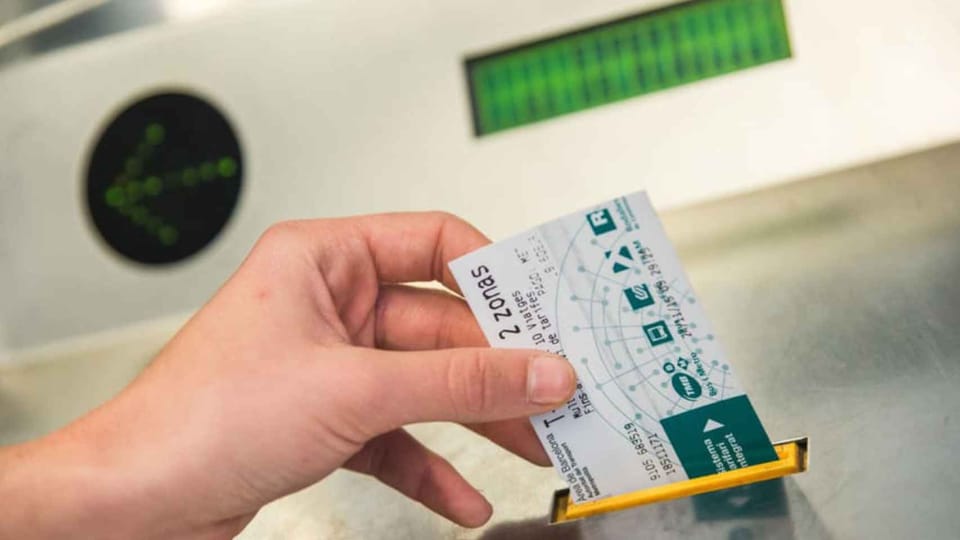
Barcelona Metro stations stopped selling traditional paper tickets on Wednesday, 22 April, marking a definitive shift to the digital T-Mobilitat system across the city's extensive public transport network. This significant change ends the era of magnetic strip tickets, which often became damaged and required manual insertion into turnstiles.
The popular HolaBarcelona passes, specifically designed for tourists visiting Barcelona, have also transitioned to the T-Mobilitat format. These passes, available for durations of 2, 3, 4, or 5 days, now include a new 24-hour option catering to short stays and cruise ship visitors arriving at the city's port. Crucially, tourists purchasing these passes are exempt from the standard €1 fee typically charged for the physical T-Mobilitat card, a benefit not extended to other card types.
This exemption for tourists contrasts with the situation for residents and other users. For example, a single journey ticket now costs €2.90, with an additional €1 fee for the T-Mobilitat card itself. The introduction of a new 24-hour HolaBarcelona pass has also generated discussion, particularly as the existing Autoritat del Transport Metropolità (ATM) T-Día ticket already offers similar unlimited travel, including connections to Barcelona-El Prat Airport.
TMB's Revenue Strategy
Metrópoli Abierta reported that sources within Transports Metropolitans de Barcelona (TMB), the primary operator of Barcelona's metro and bus network, revealed the financial motivation behind this strategy. Money collected directly from single tickets and HolaBarcelona passes translates into direct economic benefits for TMB. Conversely, Autoritat del Transport Metropolità (ATM) tickets, which comprise the rest of the public transport catalogue and are managed by the regional transport authority, do not provide the same direct revenue stream to TMB. Consequently, TMB has strategically positioned its new HolaBarcelona 24-hour pass prominently on ticket machines, while "hiding" the T-Día option on a secondary screen, despite its slightly lower price. This approach aims to maximise TMB's direct income from high-volume tourist purchases.
Phasing Out Magnetic Tickets
Despite the cessation of paper ticket sales, a small percentage of magnetic tickets still account for approximately 5% of validations across the network. This residual usage primarily involves specific passes like the T-Verda (Green Card for low-emission vehicles), the T-Escolar (School Card), and some older T-Usual (Standard Pass) cards, which are occasionally still sold at tobacconists. However, the overwhelming majority of Barcelona's 1.6 million residents and daily commuters now rely on the T-Mobilitat system for their journeys.
Future of Contactless Travel
TMB has outlined two key objectives for the near future to complete this digital transformation and enhance user experience. The first is the definitive elimination of the magnetic system entirely, aiming for 100% contactless validation across the entire public transport network. The second objective involves enabling direct access to the metro by validating tickets directly with a credit or debit card. This means passengers will soon be able to simply tap their bank card at the turnstile for single journeys. This eliminates the need to purchase a separate T-Mobilitat card or ticket beforehand. This initiative will significantly streamline travel for both residents and the millions of international tourists visiting Barcelona each year, making public transport more accessible and efficient.
Sign up for our new entrepreneurs community Bizcelona, now accepting our second wave of applicants.
Originally published by Metrópoli Abierta - Urban Life. Read original article.