Police in Barcelona's El Raval neighbourhood have begun arresting drug traffickers selling prescription medications on the street following a shift in enforcement policy. The Prosecutor's Office, Mossos d'Esquadra and Guàrdia Urbana have agreed to treat these exchanges as crimes against public health, marking a significant change from previous practice.
For years, dealers openly sold prescription pills including Lyrica and Rivotril on street corners with apparent impunity. According to police sources, the Public Prosecutor's Office previously ordered cases involving pill exchanges to be filed away without prosecution. This policy has now reversed, triggering waves of arrests across the neighbourhood.
Prescription Pills as Street Currency
Lyrica, used to treat nerve pain and anxiety disorders, and Rivotril, a benzodiazepine prescribed for epilepsy, are the primary medications trafficked in El Raval. Both require medical prescriptions. Dealers typically charge 2 to 10 euros per pill, depending on whether the buyer is a regular customer.
Police sources indicate these drugs target young offenders who use them before committing street robberies. The medications act as disinhibitors, raising adrenaline and reducing fear before violent theft. Transactions occur rapidly, sometimes lasting only seconds, with dealers positioned on street corners waiting for customers.
Enforcement in Action
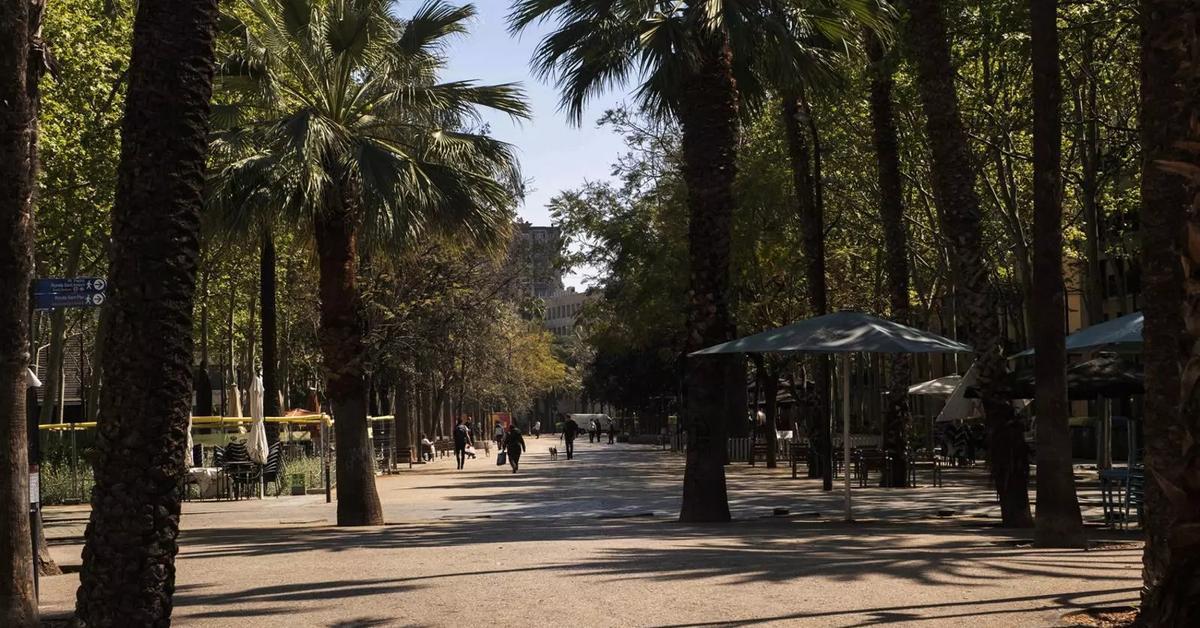
A journalist observing a single afternoon on El Raval's rambla witnessed three separate arrests within an hour, spaced metres apart. One buyer, identified by police, explained he used Lyrica for leg pain, presenting a health card for identification but no national ID document. He had paid 10 euros for several pills.
Police are now investigating the source of these medications, examining whether accomplices obtain prescriptions from pharmacies and resell them. The shift in policy has made previously visible trafficking activity substantially riskier for dealers.
Broader Context
El Raval remains a high-crime area where multiple offences occur simultaneously. During one drug enforcement operation, a separate robbery took place when a young man snatched a gold necklace from a tourist waiting for a taxi. Police pursued and apprehended the suspect, returning the jewellery to its owner.
The new enforcement approach represents a significant departure from years of tolerance that allowed dealers to conduct business openly, sometimes even in front of police officers.