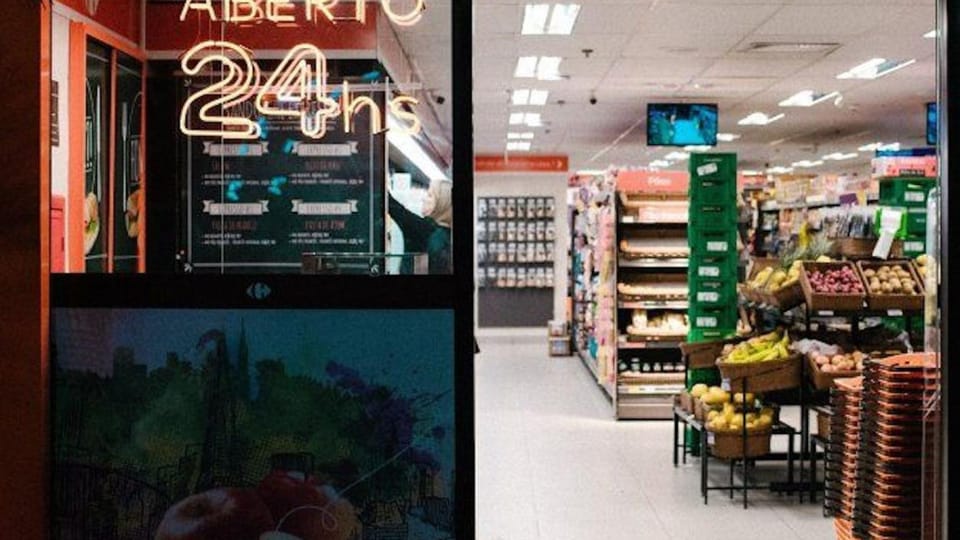
Barcelona's City Council has unanimously approved a measure to intensify inspections and controls on extended-hours and 24-hour supermarkets. This action follows strong demands from local shopkeepers. They expressed concern about the rapid proliferation and impact on traditional commerce.
The commercial association Barcelona Oberta, representing businesses across the city, has highlighted the negative effects of these establishments. Elvira García, director of Barcelona Oberta, told Metrópoli that these businesses harm the commercial fabric. They particularly affect areas where they are most abundant. "These are supermarkets where we rarely see people, yet they occupy prime locations," Ms García stated.
Rapid Proliferation in Tourist Zones
The proliferation of these stores has been significant. In recent periods, between three and four new businesses of this type opened weekly. This expansion particularly affects tourist zones. These include Ciutat Vella, the historic district and a major tourist hub, Passeig de Gràcia, Gran Via, and Rambla de Catalunya. The area around the Sagrada Família has also seen a substantial increase in these shops. Ms García noted, "We know that officials urge traditional shops to close to open souvenir shops or 24-hour supermarkets."
Shopkeepers question how these establishments can afford high rents in prime locations. This is especially true given their seemingly low customer footfall. Products are "often close to expiring," Ms García observed. Barcelona Oberta also raises concerns about labour conditions. Ms García noted, "we normally see the same person working a long shift." The association points out that similar 24-hour supermarket models "do not exist in Madrid, for example."
Concerns Over Business Practices and Urban Planning
Despite previous municipal efforts, the full impact of past inspections, sanctions, or closures remains unclear. This is due to a lack of official data. Barcelona Oberta argues that existing urban plans are failing. These plans aimed to regulate and prevent the spread of certain establishments. Such establishments include souvenir shops and 24-hour supermarkets. "Far from ending the problem, it is getting worse and worse," Ms García commented. She added, "Excessive regulation is causing a contrary effect."
Barcelona Oberta perceives a "comparative grievance" regarding inspections. "The perception we have in the Barcelona Oberta areas is that, if officials carry out inspections, they do not take effect," Ms García explained. This contrasts with other local businesses that feel the consequences of detected non-compliance. The association advocates for a thorough investigation into the reasons for this proliferation. They also want to understand how these businesses manage high rents.
Intensified Controls and Annual Reporting
They also demand more inspections. They want "appropriate closures carried out if they do not comply with regulations, labour conditions, hygiene, and safety aspects." This requires "real and equal" investigations.
The City Council recently gave unanimous approval. This stemmed from a People's Party (PP) initiative in the Economy and Finance Commission. It commits to intensifying these controls. Inspections will specifically focus on night hours and the sale of alcoholic beverages. They will also target areas where a high concentration of these premises contributes to noise or anti-social behaviour problems.
Fifth Deputy Mayor Raquel Gil has committed to producing an annual report. This report will detail inspection data, the number of files opened, and the measures adopted. It will provide much-needed transparency on the issue. This move aims to protect Barcelona's traditional commercial fabric. It also seeks to ensure fair competition. This addresses a growing concern for residents and local businesses across the city's most emblematic districts.
Sign up for our new entrepreneurs community Bizcelona, now accepting our second wave of applicants.
Originally published by Metrópoli Abierta - Urban Life. Read original article.