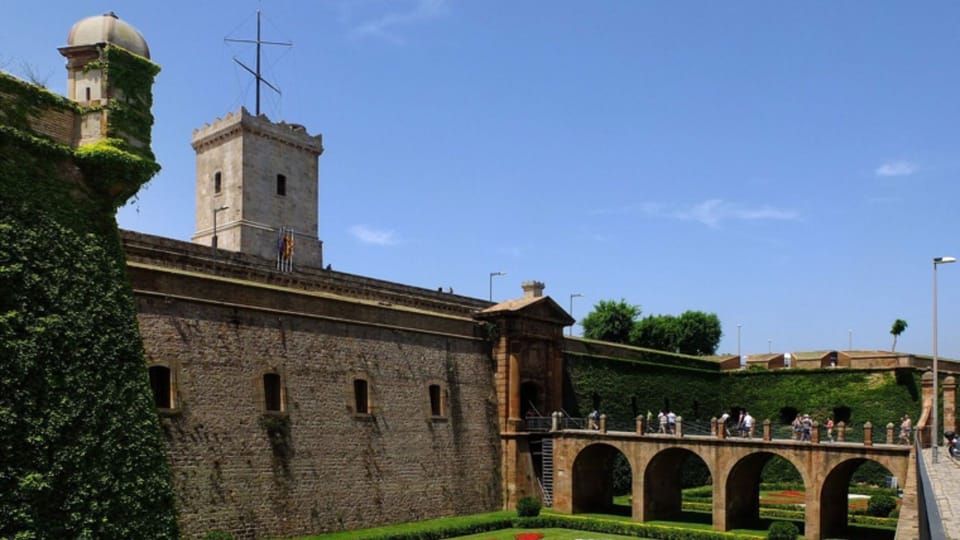
Barcelona's Montjuïc Castle will become a dedicated terrorism memorial centre from 2026, commemorating victims and exploring the phenomenon's social, historical, and political dimensions. The Ajuntament de Barcelona announced this initiative as part of a broader plan to safeguard democratic memory across the city.
Deputy Mayor for Democratic Memory, Raquel Gil, stated the centre aims to "address the phenomenon from social, historical, and political perspectives." She emphasised the importance of "recognition that allows for the reparation of terrorism victims in the city." The permanent exhibition will feature significant events, including the 1987 Hipercor bombing and the 2017 La Rambla attack. The centre will be partially accessible next month and fully completed before the end of the current year.
This new centre forms a core part of the Ajuntament's first roadmap for democratic memory, a strategic plan set to unfold until 2030. This comprehensive plan seeks to guarantee the right to democratic memory, ensure victim reparation, and foster knowledge of Barcelona's historical social struggles. The city council has allocated an initial investment of €6.7 million for 2026 to support these initiatives.
Expanding Barcelona's Memory Spaces
Beyond Montjuïc Castle, the Ajuntament is reinterpreting two other significant city locations as memory spaces. The former La Model prison, which closed in 2017, will host the La Model Memorial Centre. This centre will chronicle the prison's history, focusing on Francoist repression, social movements, and contemporary debates on human rights and alternatives to imprisonment. Officials expect construction projects for this centre to commence beyond 2030.
Documenting Labour History and Slavery
Additionally, the Fabra i Coats former factory will house the Labour Interpretation Centre. This new facility, operating under the Museum of History of Barcelona, will explain the pivotal role of labour in shaping contemporary Barcelona. The city's democratic memory plan also includes an interactive website, "Barcelona Slave-owning: Cartography of a Silenced Memory." This virtual platform will identify and explain city locations linked to the historical slave trade.
The Via Laietana Police Station Debate
The police station on Via Laietana remains a point of contention for victim support groups. Although officially declared a Democratic Memory Site, the National Police station continues its operational functions. Many organisations advocate for its transformation into a dedicated memorial centre. Deputy Mayor Gil acknowledged the need to work towards this goal, suggesting a centre could be "compatible with the current use by the police, which is now democratic." She also noted that the centre's jurisdiction falls under the state, not the Ajuntament.
Broader Scope of Democratic Memory
The strategic plan, titled "Ajuntament's Strategic Plan for Memory Policies. 2026-2030," also integrates the study and dissemination of other significant struggles in Barcelona. These include feminist movements, workers' and neighbourhood movements, the experiences of migrant and racialised people, and the LGTBI community. This multi-faceted approach aims to ensure a comprehensive and inclusive understanding of the city's past.
Come and join our Barcelona English Speakers community on WhatsApp.
Originally published by betevé. Read original article.