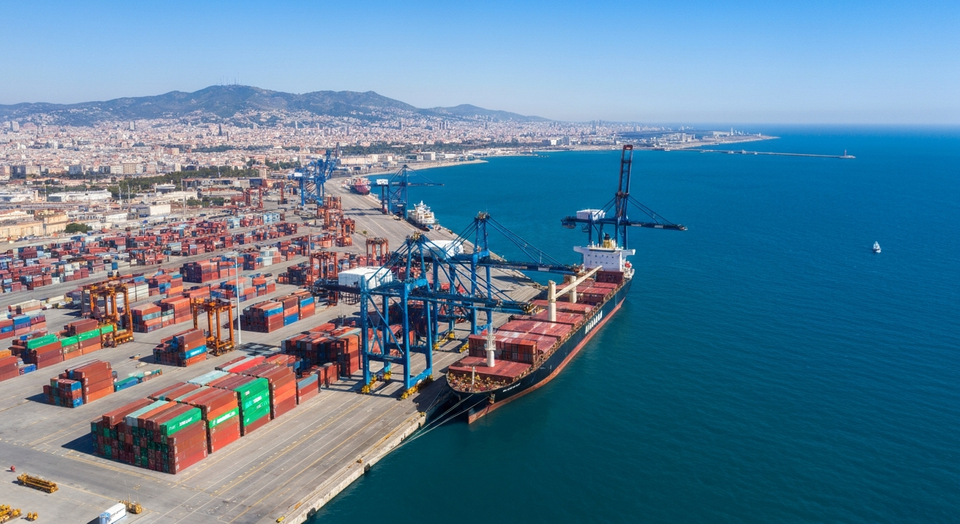
The Port of Barcelona recorded a substantial 4.2% increase in total cargo traffic during the first quarter of 2024. It reached 17,284,998 tonnes. This surge was primarily driven by the ongoing energy crisis and a significant rise in imports of Chinese electrified vehicles, the Port Authority reported.
Energy Imports Drive Growth
Bulk liquids continued to fuel this growth, totalling 4.27 million tonnes, a 33.7% increase compared to the same period last year. Within this category, natural gas imports rose significantly by 64.5%. Diesel imports also saw a substantial increase of 36%.
Meanwhile, bulk solids experienced an 8.6% decrease. This decline was largely due to reduced traffic in cement, clinker, cereals, and flours. However, potash imports grew by 41.9%, common salt by 46.7%, and soya beans by 11%.
Surge in Electric Vehicle Imports
Automobile traffic also maintained its growth trajectory, reaching 177,409 units, a 5.3% rise. The port observed a remarkable 91.7% increase in electric or hybrid vehicles. These eco-friendly vehicles now represent 17.73% of all automobiles handled at the Port of Barcelona.
This trend highlights Barcelona's role as a key entry point for new automotive technologies. It also reflects the growing demand for electrified transport options across Spain and Europe.
Container and Passenger Traffic
Container traffic, measured in Twenty-foot Equivalent Units (TEU), saw a slight decline of 1.8%, with 921,623 TEU handled. The Port Authority indicated that commercial tensions and international conflicts affected full container traffic.
Import containers grew by 3.2%, while export containers decreased by 17.7%. Transit containers also fell by 1.7%. Despite these overall figures, trade with specific countries showed notable growth, including Turkey (+17%), Vietnam (+33.2%), and India (+1.6%).
Passenger movements through the port also saw a significant rise during the first three months of the year. A total of 701,192 movements were recorded. This represents a 24.1% increase compared to the previous year. Ferry passengers increased by 9.6%. This was boosted by higher traffic to the Balearic Islands (+11%) and Italy (+11.7%). Additionally, 290,545 cruise passengers visited Barcelona during this period. They contributed to the city's tourism sector.
Port's Economic Importance
The Port of Barcelona, a vital economic hub for Catalonia, handles a substantial portion of Spain's maritime trade. Its performance directly impacts regional supply chains and economic activity. The continued growth in energy and vehicle imports highlights the port's critical role in supplying Catalonia and Spain.
These trends reflect global economic shifts, including the ongoing energy transition and evolving consumer demands for cleaner transport options. The port's adaptability to these changes remains crucial for its future success and the region's prosperity.
Sign up for our new entrepreneurs community Bizcelona, now accepting our second wave of applicants.
Originally published by Ara Cat. Read original article.