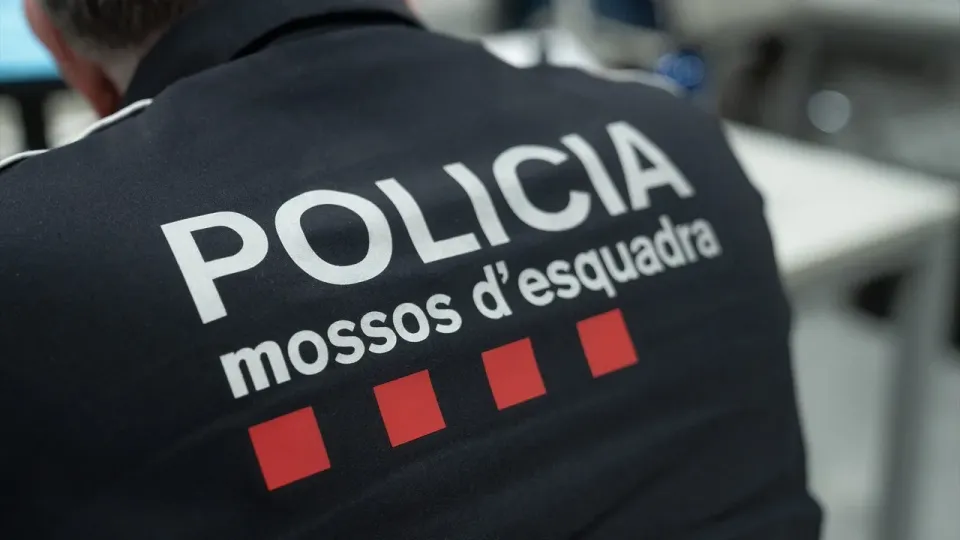
Mossos d’Esquadra located a six-year-old French girl in Lloret de Mar, Girona, on 31 March 2026. The girl had been abducted by her mother and maternal grandmother, who were subsequently arrested. French judicial authorities had issued international arrest warrants for both women. This successful operation highlights the critical role of the Mossos d’Esquadra and cross-border police cooperation in protecting vulnerable children across Europe.
International Arrest Warrants Issued
French judicial authorities had issued two European Arrest Warrants (OEDE) against the mother and grandmother. These warrants related to a child abduction complaint filed by the girl’s father. Catalan police confirmed this information in a statement on Friday. French courts had previously removed custody from the mother. She had repeatedly disobeyed judicial rulings and violated established visitation arrangements. This prevented the child from maintaining contact with her father. Such cases underscore the complexities of international family law disputes and the need for consistent enforcement of judicial decisions.
Search Efforts Intensified
The investigation began in April 2025 following the initial abduction from France. The three individuals travelled to Spain after leaving France. Investigators initially believed they were in La Jonquera, Girona, a border town often used for transit. However, authorities later lost track of them for several months. New information emerged in late March 2026, placing them specifically in Lloret de Mar. Lloret de Mar is a popular coastal town in the Selva comarca of Girona, attracting many international residents and tourists. Mossos d’Esquadra then intensified contact with the Gendarmerie, their French counterparts. They also increased their investigation and surveillance efforts across the region to pinpoint the family’s exact location.
Precarious Living Conditions Discovered
Officers located the mother, grandmother, and child in Lloret de Mar. They discovered the girl had not attended school since her abduction in France. This lack of education significantly worsened the child’s vulnerability, denying her access to essential learning and social development. The three individuals were living in the ground floor of a squatted property. Conditions were described as “very precarious” by the police, indicating a severe lack of basic amenities. The residence lacked both electricity and water supplies, posing a clear and immediate risk to the minor’s health and safety. This situation highlights the dangers faced by children in such unstable and unregulated environments across Catalonia.
Child Placed Under Protection
After confirming her identity, authorities placed the girl into the custody of the Directorate General for the Prevention and Protection of Children and Adolescents (DGPPIA). The DGPPIA is a key Catalan institution responsible for child welfare and protection services. They will ensure her immediate protection and well-being during this transitional period, providing necessary support. They will also facilitate her safe return to French authorities, coordinating the handover process. The mother and grandmother remain in custody, awaiting extradition under the international arrest warrants. This legal process ensures accountability for child abduction across European borders, reinforcing international cooperation in such sensitive cases.
Sign up for our new entrepreneurs community Bizcelona, now accepting our second wave of applicants.
Originally published by La Sexta Barcelona. Read original article.