In 1984, immigrant communities in Barcelona's metropolitan area dramatically reshaped traditional religious celebrations, creating unique events that blended old customs with new identities. One notable example occurred in Pubilla Casas, L'Hospitalet de Llobregat, where residents organised a distinctive Easter procession.
Writer Francesc Candel documented this singular event in his diary, noting participants wore homemade orange paper hoods with eyeholes. A young woman, dressed in a purple wedding gown, carried the Virgin. Others dressed as Romans, using their wives' tight skirts as kilts and construction helmets as headgear.
They carried reed spears and a cross fashioned from two planks, which a penitent dragged. Small statues of Saint Joseph and the Virgin Mary were transported on litters, illuminated by battery-powered lights. Candel observed, "No priest, nor was one needed." Participants chanted, "Long Live the Virgin of the Immigrants!" while carrying an Andalusian flag. The procession started with 50 people and grew to 2,000.
This event highlighted a broader trend of religious fervour among immigrant groups, particularly those from Andalusia. These communities adapted traditional practices to their new Catalan homes. This often occurred due to the high cost of returning to their places of origin for celebrations.
Adapting Andalusian Traditions
Each May, Montcada i Reixac hosts a pilgrimage honouring the Virgin of El Rocío, replicating the famous Huelva marsh queen's celebration. This event starts in Santa Coloma, with the Virgin accompanied by Rocío brotherhoods travelling to the esplanade of Castell de Santa Maria de Montcada. The pilgrimage includes decorated carts, traditional costumes, palms, rockets, wine, and singing, lasting three days and nights.
Each Andalusian association sets up its own dance shack. An organiser explained, "Before, some people went to Huelva, but it was very expensive, so we decided to organise the pilgrimages here." This local adaptation allowed many more residents to participate in a cherished tradition. Meanwhile, the La Torrassa neighbourhood in L'Hospitalet had long lost its own Holy Week procession, showing a contrast in how traditions evolved.
La Rambla's Good Friday Procession
Additionally, immigrants elevated the Good Friday procession on La Rambla in Barcelona to a significant event. This procession became a "myth of reclaiming lost customs," transforming a street not traditionally associated with such displays. Candel noted that Barcelona had never been fond of or conducive to these public religious exhibitions.
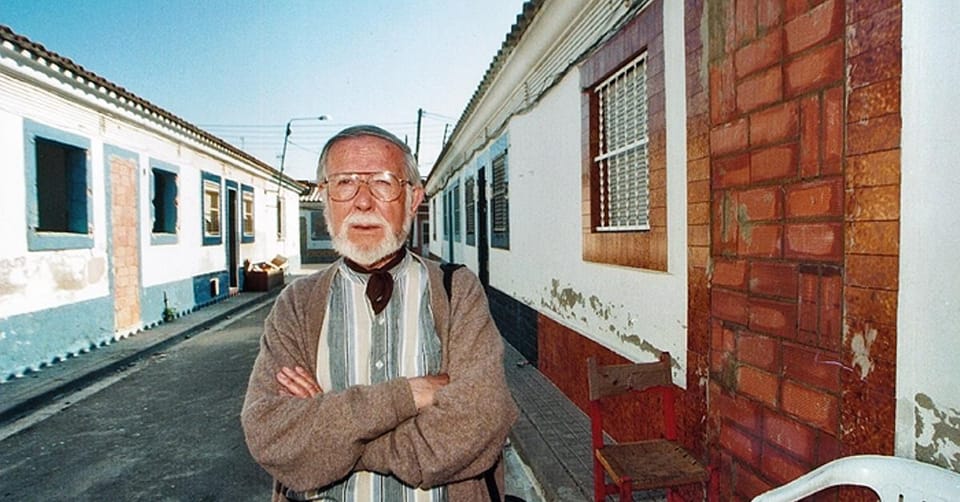
Francesc Candel, a writer and former councillor for L'Hospitalet's first democratic Ajuntament, observed these phenomena. He was known for his work 'Els altres catalans' (The Other Catalans), which explored the experiences of non-Catalan immigrants in Catalonia. The city of L'Hospitalet, with 716 vigorous neighbourhood associations, was then very different from the one depicted in his 1984 observations.
A Sublimation of Longing
Candel's 1984 analysis suggested that these fairs, processions, and pilgrimages, which were once symbols of elite behaviour and "opium of the people" in their places of origin, became a "sublimation of longing" in Catalonia. This adaptation also brought commercial aspects and rivalries among groups. Some democratic activists during the Franco regime expressed concern about the religious fanaticism associated with these events.
The writer also noted a general return to religious and esoteric practices at the time, though he did not believe this fully explained the phenomenon. These events provided a powerful outlet for cultural expression and community bonding for new residents in the Barcelona area.
These historical adaptations show how immigrant communities actively shaped Barcelona's cultural and religious landscape. Their efforts created new traditions that continue to reflect the city's diverse population and its evolving social fabric.
Sign up for our new entrepreneurs community Bizcelona, now accepting our second wave of applicants.
Originally published by Ara Cat. Read original article.