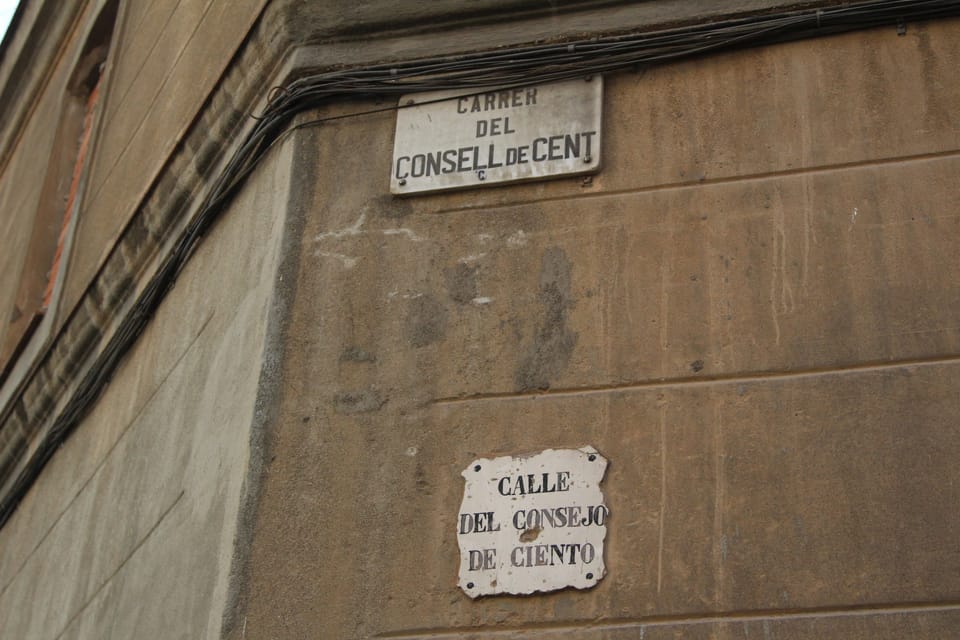
Barcelona's Consell de Cent street, widely known as a central Eixample artery, extends for 5.2 kilometres. Two distinct sections lie outside the district's boundaries, belonging to Sants-Montjuïc and Sant Martí districts, Tot Barcelona reported. This challenges the common perception of the street's geographic scope.
Consell de Cent's Western Segment
The first non-Eixample section begins at Creu Coberta street, near Hostafrancs Market, within the Sants-Montjuïc district. This segment spans approximately four and a half city blocks. It ends where Tarragona street and Joan Miró Park abruptly cut it off. This western stretch connects the Eixample's grid to the older urban fabric of Hostafrancs.
From this point, Consell de Cent enters the Eixample district without interruption. It traverses the city centre, passing Sant Joan promenade and Marina street. The street has transformed in recent years, becoming a green axis for bicycles and pedestrians within the Eixample's superilla plan.
Eastern Segment in Sant Martí
The second segment starts from Dos de Maig street, located in the El Clot neighbourhood of the Sant Martí district. This shorter section extends for two blocks above Glòries Catalanes Park. It ends definitively at Meridiana Avenue, a major transport route.
Recent notable events have occurred in this eastern part of Consell de Cent. Workers discovered a Civil War air-raid shelter here, offering a glimpse into Barcelona's wartime past. A building's car park later truncated this historical find, highlighting challenges in urban development.
Glòries Remodelling and Demolitions
Additionally, this area is undergoing extensive renovation as part of the Glòries north façade remodelling project. This significant urban development involves the demolition of buildings on the sea-facing corner of the street. Among these are two century-old Modernista twin buildings, rich in local history and architectural heritage.
The works, which started last November, affect three city blocks between Independència and Castillejos streets. Initial demolitions have already transformed part of this zone. Situated between the El Clot and Sagrada Família neighbourhoods, it now features boarded-up properties, creating a temporary "ghost town" appearance.
These ongoing urban changes highlight the dynamic evolution of Barcelona's street network and its surrounding districts. Residents and visitors will observe further transformations as the Glòries remodelling progresses. The project aims to reshape a significant urban space, integrating historical discoveries with modern infrastructure.
Sign up for our new entrepreneurs community Bizcelona, now accepting our second wave of applicants.
Originally published by Tot Barcelona. Read original article.